Patchwork
a cheribun
blue cloth
bunched
in her basket
her fingers weaving
rivers and villages
and homes
She talks of rice paddies in the waning sun and her grandmother’s recipes when she was a girl. Young. Free. Until the funerals, the refugee camp, the resettlement along Lake Michigan’s shores in a land that doesn’t speak much Hmong. I dig into my qhaub poob and ask if she misses home like I miss the city.
wrinkles
lining her face
lining her homeland
she sighs and stiches
one last place onto
her story cloth
The inspiration for this piece came from part of my childhood spent around the Hmong community, which was displaced from Laos following the Vietnam War; many Hmong women sew their stories into blankets like the one mentioned in my piece to preserve their history. —Colleen M. Farrelly
End Line
a contemporary haibun
The goalposts glimmer in a twilight glow as the new kid takes another practice shot by the bleachers. My brother says he’s the best forward on the team. Says he doesn’t speak much English, though. Says he tosses in his sleep and mumbles about Srebrenica.
captain’s badge
across his deltoid
a jagged scar
Like the Hmong community when I was young, many Bosnians were displaced during their civil war in the 1990s; part of my childhood was spent at church helping these refugees integrate into the local community, including schools and soccer teams. —Colleen M. Farrelly
Ghosts of the Giants
a contemporary haibun
I was almost born in Belfast. My parents crossed from County Cavan, our ancestral home of dotted lakes and sphagnum moss, of black peat simmering under a Samhain moon. They wanted to feel the spray of waves crashing against Giant’s Causeway, to hike the hills around Dunluce Castle and steal a kiss at sunset.
tourist sign
the markings of
shrapnel
On their way, Dad is flagged as IRA. Seems another Farrelly looks like him and shares a birthdate. Understandable. Before my family dropped the “O” and fled to America, Annie and Agnes advocated in Cumann na mBan. Both scholars at Irish universities and active in the suffrage movement, too. Women weren’t to fight, though.
When I return home during a school break, my former classmate’s wheelchair catches on a branch abutting Walter Reed’s parking lot. The leaves crunch as he scuffs a wheel. He thinks he’ll be discharged soon. It’s not like Kandahar has ramps or colostomy care. Of course he can stay with me after the next surgery…
distressed denim
his pant hole pinned
from the knee up
Now, the news says Sinn Féin is the most popular party in Northern Ireland. Now, the news says my country wants to invade Greenland. Naval bases? Oil? Maybe just because boys can… I suppose, somewhere, there’s another woman caught between two giants smashing their only bridge, smashing their sea against rocks and spears and homelands.
This piece originated with my reflection on a life that has intersected often with refugees and war—including these cycles of loss, displacement, and lessons not learned for very long. —Colleen M. Farrelly
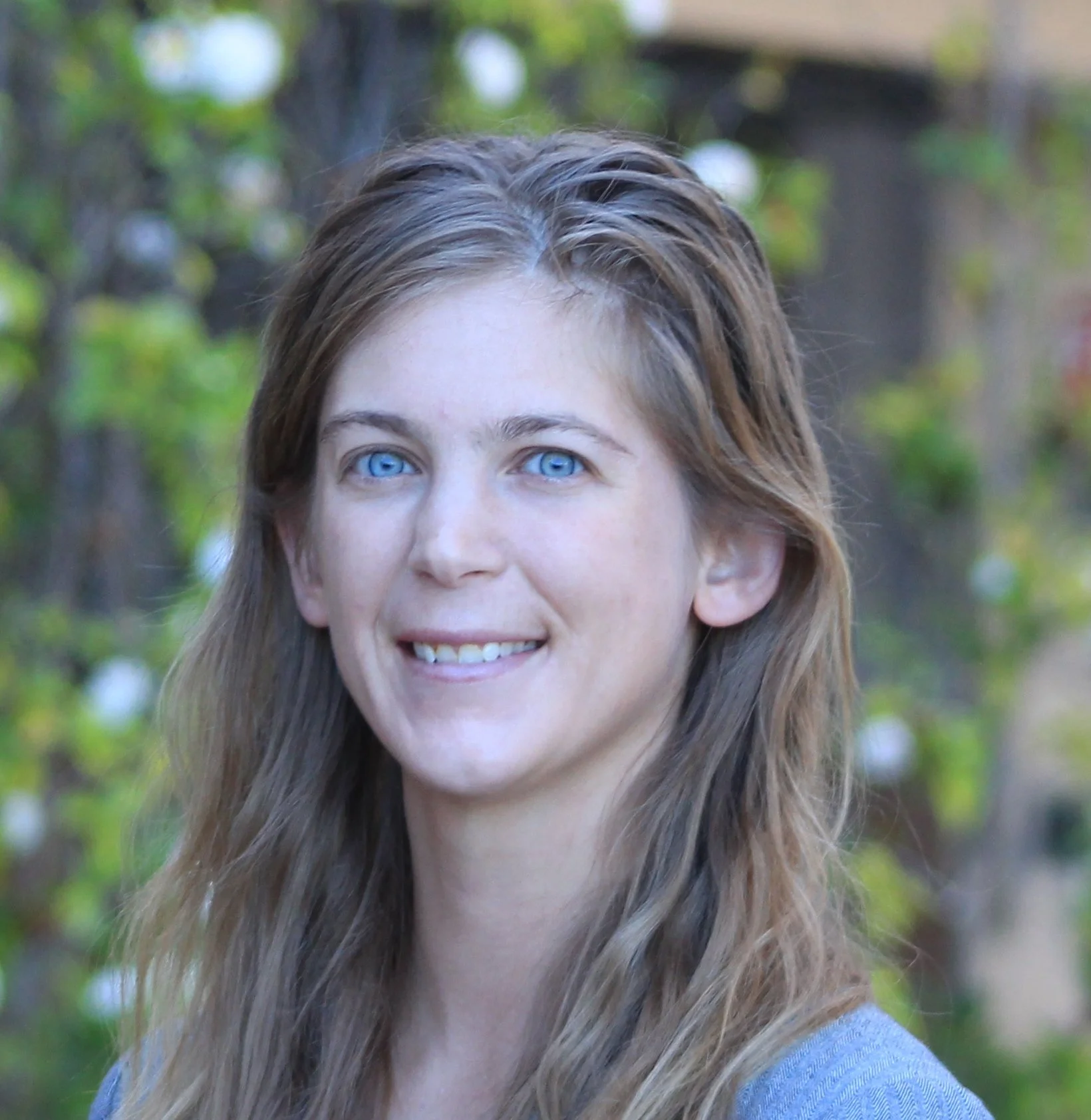
Colleen M. Farrelly (she/they) is a mathematician and haibun writer whose career was recently highlighted in Nature. Her recent/forthcoming work appears in Rattle, Mississippi Review, Consequence, ANMLY, MacQueen's Quinterly, Modern Haiku, Frogpond, and contemporary haibun online. After growing up in a community with many refugees and contracting with the US Navy’s global health initiatives, her current career focuses on social good technology and tech in the developing world.