
Rachael Rosenberg
Sunday morning after [a drone attack]
Kyiv, October 2025
I take a walk, browse at the bookstore.
—the news updates the death toll—
They don’t have the edition I want in stock.
A group of teens records a TikTok dance,
—#freeazovstaldefenders flutters behind—
K-pop blaring, matching outfits.
I walk on, dodge last night’s broken glass,
order a coffee. I ask it to compensate for hours
spent lying awake, heart pounding, willing my
own windows not to shatter.
Then
I meet my friend for brunch.
Kochari Lessons
for Irina
Wind whistles across the plateau:
Here only potatoes grow, a rasping laugh.
Wrinkles pleat the weather-ravaged elder’s
features into a wry grin.
My great-grandmother was married to the mayor of
Kars, says the painter. Memory mingles with the frost
in the February air. The most common surname here
testifies to that Anatolian dust.
Your people are also no strangers
to suffering, someone says to me, unprompted.
You also know what it means, genocide. (two
beats.) But ours was worse.
On April 24th, men and boys march with torches;
rage ignites crescent and star. A Turk will kill you
as soon as he gets the chance, a mother insists. That’s
what I’ve taught my daughters.
For a century they shared this land with spirit wrestlers
cast out as heretics, who made beauty from the mundane.
There is, was, unity in exile. Most left, I am told, for other lands.
Though our neighbors are gone, we are still here.
a wedding—I coax my hands into lilies, into birds—my wrists twist in poor imitation of the surrounding grace; the duduk’s vital oblivion drones deep in my bones—the tempo shifts—the drummer grins through a mask of sweat—bodies jockey into position—someone takes my hand—
I know the steps
on instinct, an
ancient circle,
solid and
defiant
as life
itself.
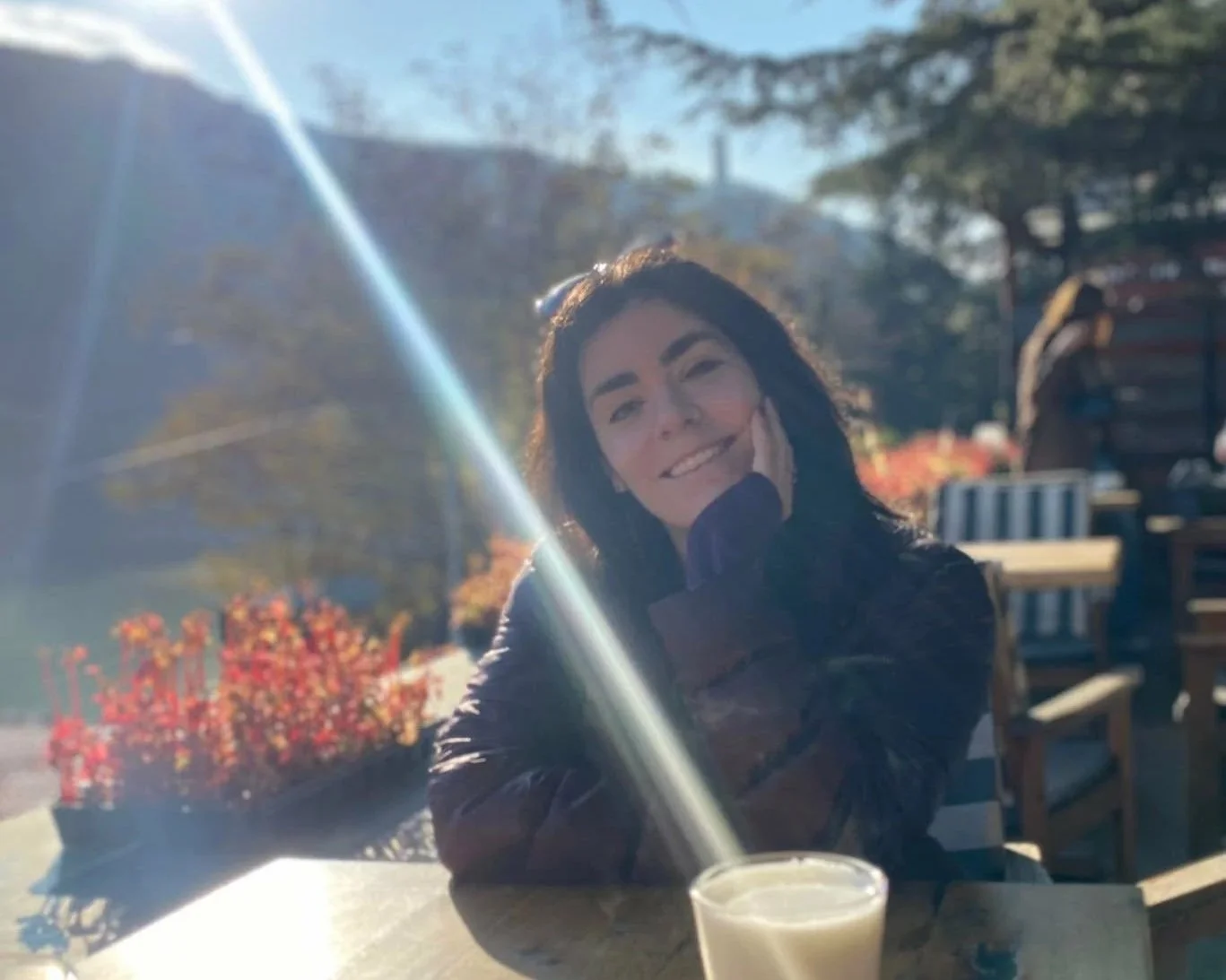
“‘Kochari Lessons’ is based on my experience living in an ethnic Armenian community in the Samtskhe-Javakheti region of Georgia for two years as a Peace Corps Volunteer. I wrote the poem after all Peace Corps Volunteers worldwide were evacuated due to COVID-19, which created, at least for me, a feeling of disruption, even limbo.” —Rachael Rosenberg
“‘Sunday morning after [a drone attack],’ comes out of a feeling of frustration with the limits of my own ability to describe life in Ukraine during full-scale war to those who have not experienced it. Re-reading it now, almost a year later, is quite sobering, as the frequency and intensity of Russia’s attacks on Ukrainian civilians have only continued to escalate. My friends and colleagues continue to go about their daily routines as best they can.” —Rachael Rosenberg
Rachael Rosenberg is a writer, researcher, and translator. She has lived and worked in the South Caucasus, Kazakhstan, and (most recently) Ukraine and holds a master’s degree from the Kroc Institute for International Peace Studies. Originally from Texas, she is now based in Pittsburgh, PA, where she is pursuing a PhD in anthropology.
